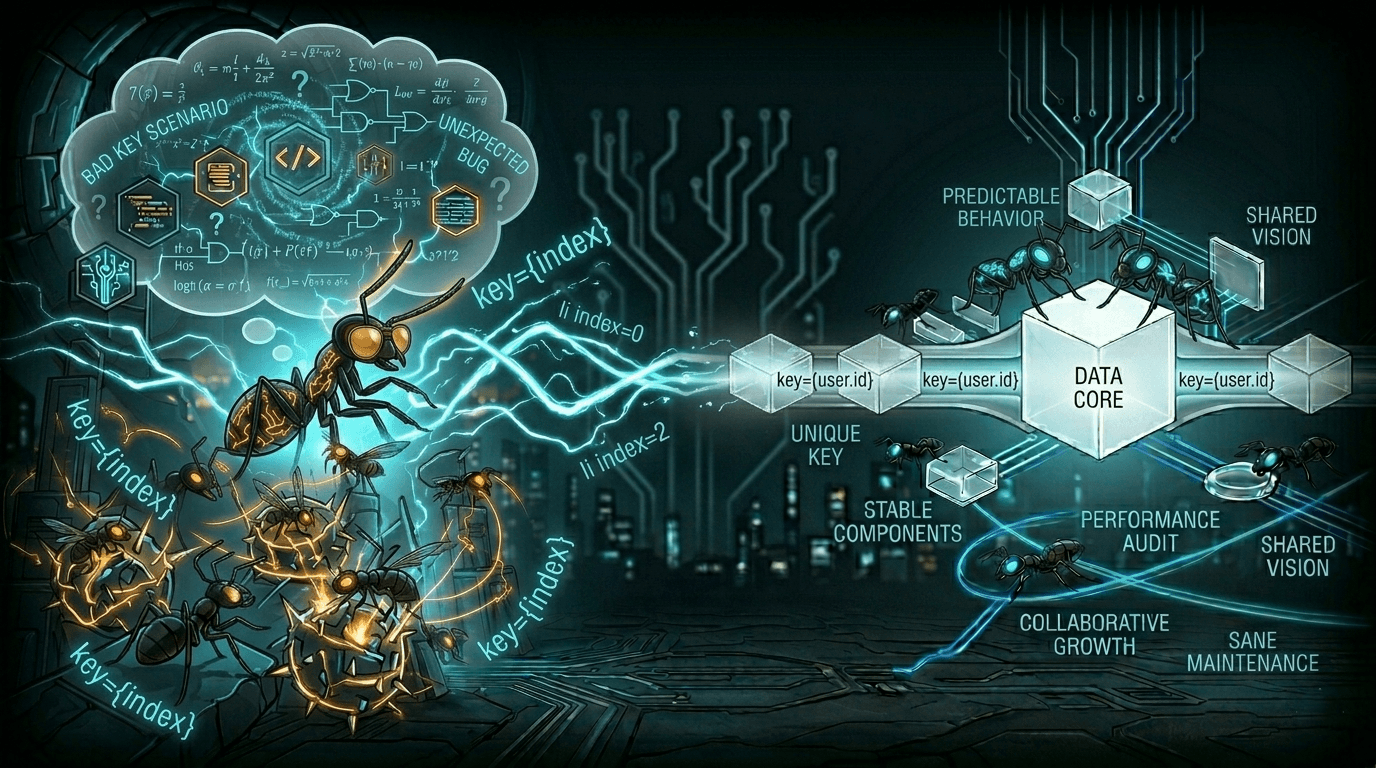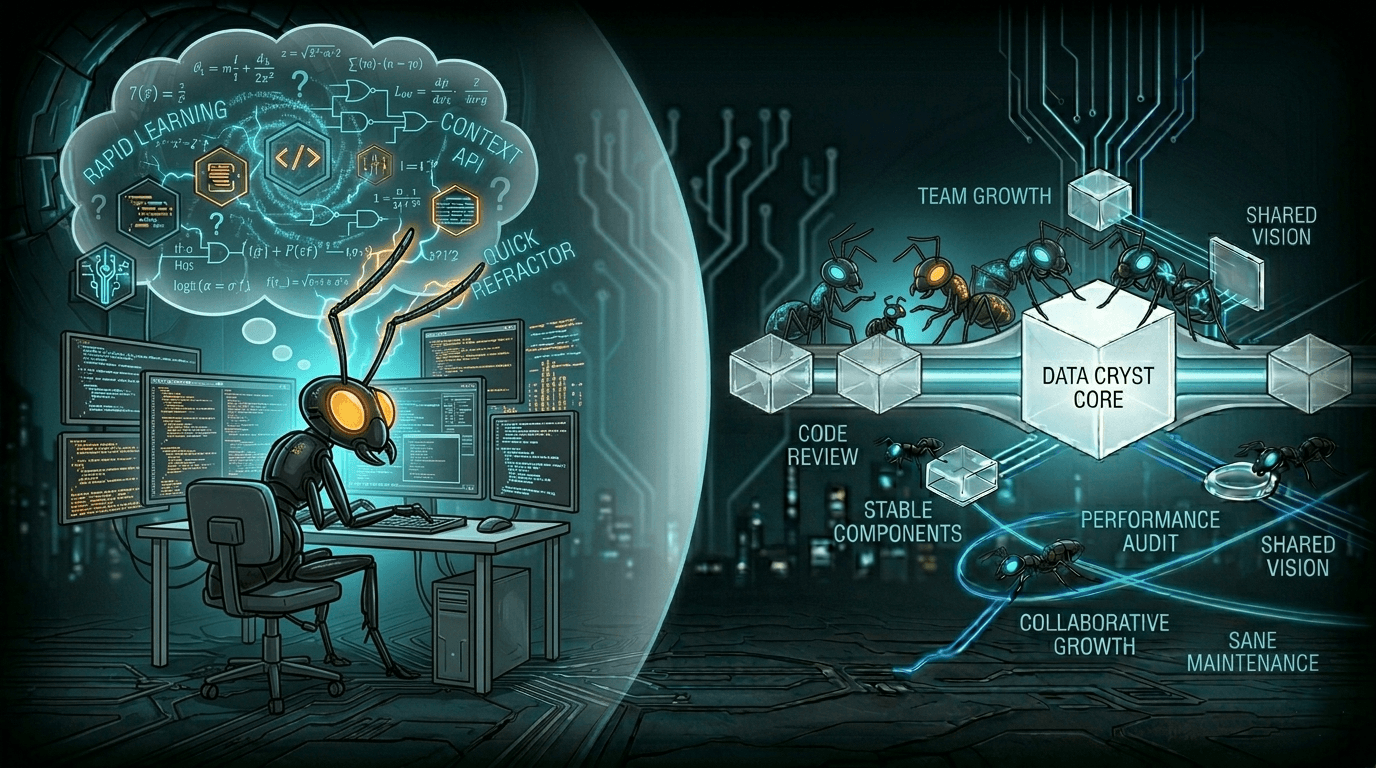
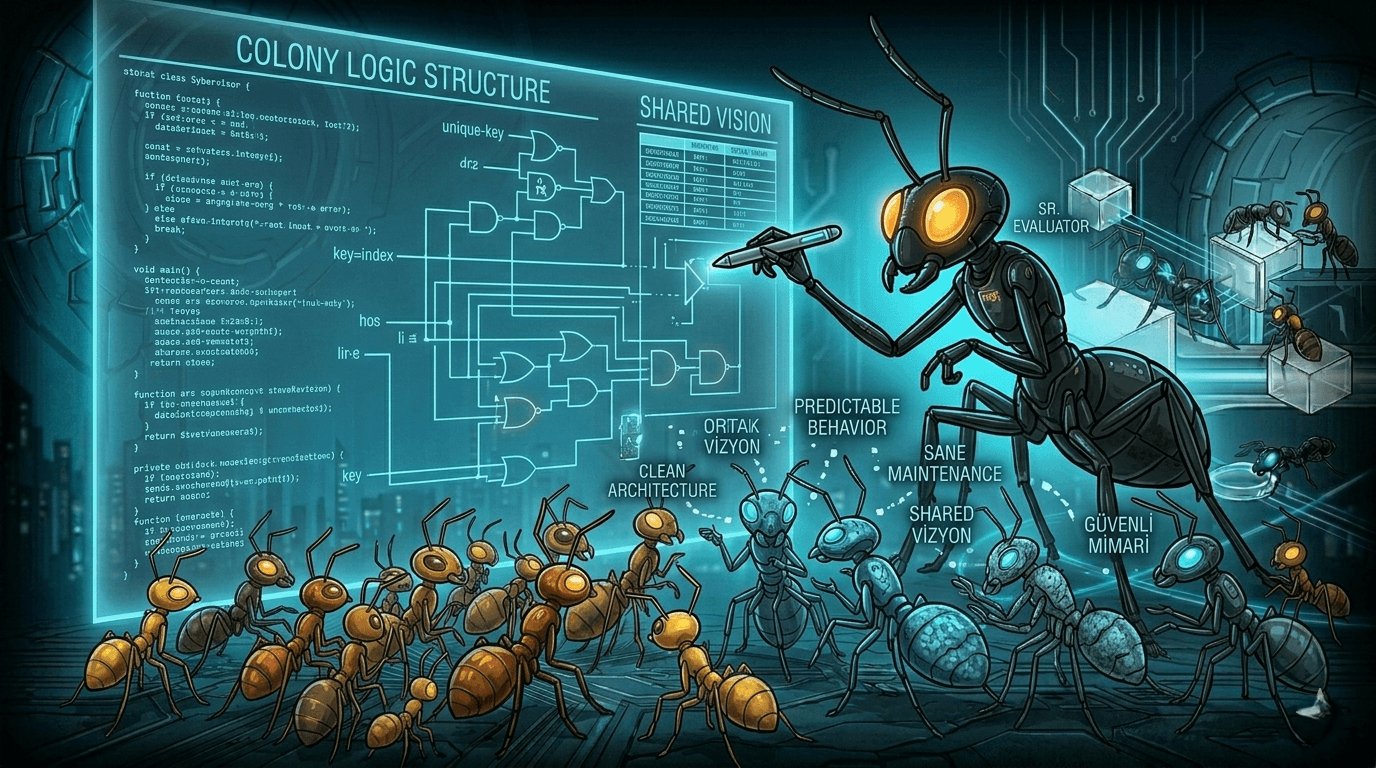
Many developers view Code Review (CR) as a session to catch bugs. However, in high-performing teams, CR is less of a technical checklist and more of a tool for breaking down individual egos and building collective intelligence. In this article, we explore why the true value of code review lies in culture and growth, rather than just technical correctness.
In the software world, Code Review is one of the most misunderstood processes. At a junior level, it can feel like an "interrogation"; at a senior level, it can sometimes be misused as a tool for "asserting authority." Both extremes miss the heart of what CR is truly for.
The primary goal of code review is not to find bugs. You should have unit tests, linters, and automated QA pipelines for that. The real purpose of CR is to leave the ego at the door and transition the project from "my code" to "our code."
For a developer, code is often seen as their craft—their art. Having someone ask, "Why did you do it this way?" on a solution you spent hours on naturally triggers defensive mechanisms.
However, engineering is driven by data and sustainability, not emotions. The Code Review process reminds a developer every day: You are not your code. Critiquing code is not a critique of your talent; it is an optimization of the solution. This realization is where the ego breaks and real growth begins.
The most common defense heard in CR sessions is: "But the code works!" From a Lazy Ant perspective, just because code works doesn't mean it’s ready for production. CR pursues deeper questions:
Will I (or someone else) understand this code 6 months from now?
Does this solution align with the overall architectural consistency of the project?
If requirements change tomorrow, will this code be flexible enough to adapt?
In a healthy team, the Pull Request (PR) area functions like a classroom. It’s not just the author who learns; the reviewer does too.
The Reviewer: Shares knowledge by saying, "Did you know you could do this more performantly using this new method/library?"
The Author: Discovers their own "blind spots" and gets exposed to a different perspective.
This interaction lowers the team's "Bus Factor." Knowledge isn't trapped in a single brain; it spreads throughout the colony.
If CR is a source of tension in your team, it’s time to implement these rules:
Don't Make It Personal: Use object-oriented language. Instead of "You did this," try "Would this function be better if...?"
Explain the 'Why': Don't just say "Change this." Explain that "Changing this would be more performant because..."
Don't Forget the Praise: Point out the well-written parts, not just the flaws. Saying, "Great approach, I hadn't thought of this before," melts egos and builds trust.
Technical debt isn't just built by poorly written code; it grows through unshared knowledge and unquestioned decisions. Code Review is the ultimate enemy of this debt.
A developer earns the "Senior" title not just by writing the most complex algorithms, but by the maturity of their PR responses and the value they add to someone else's code. Remember: The best code is the one everyone agrees on and everyone owns.