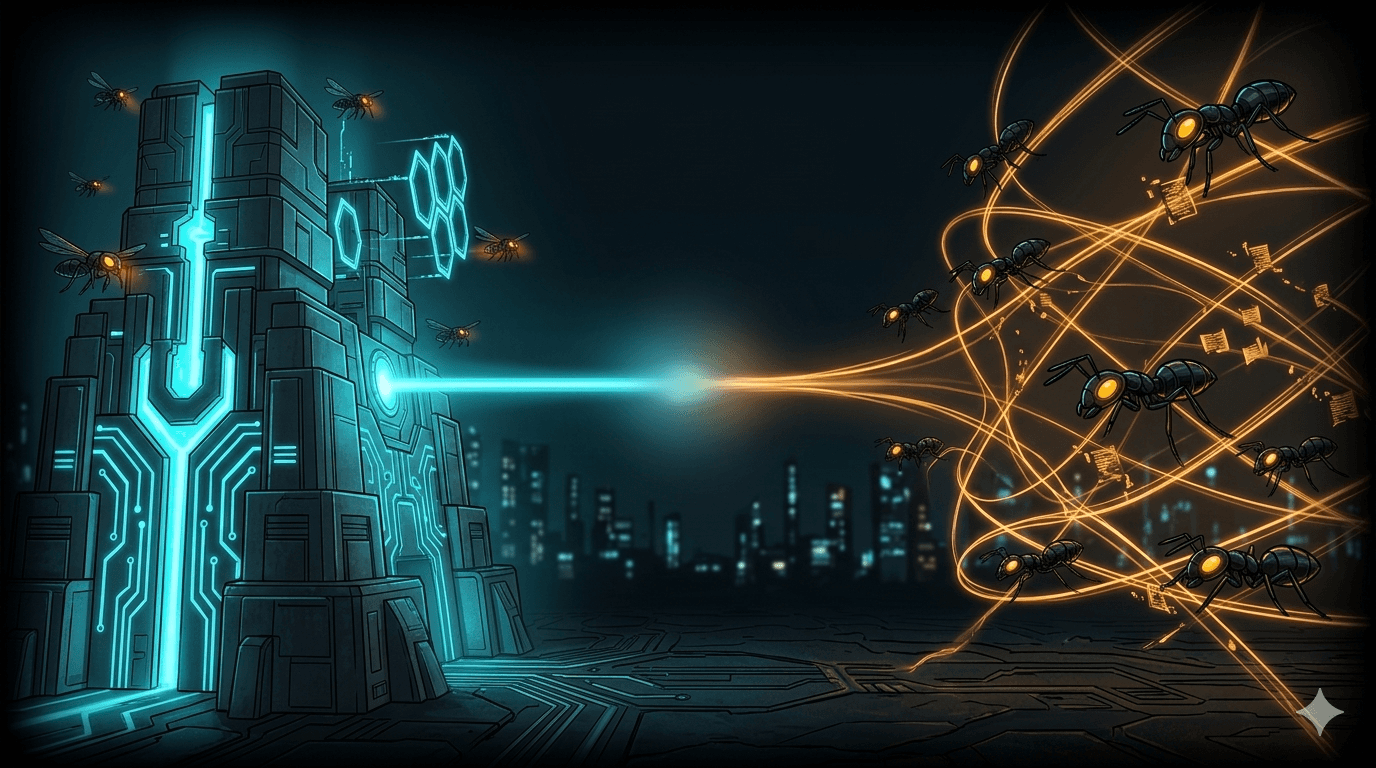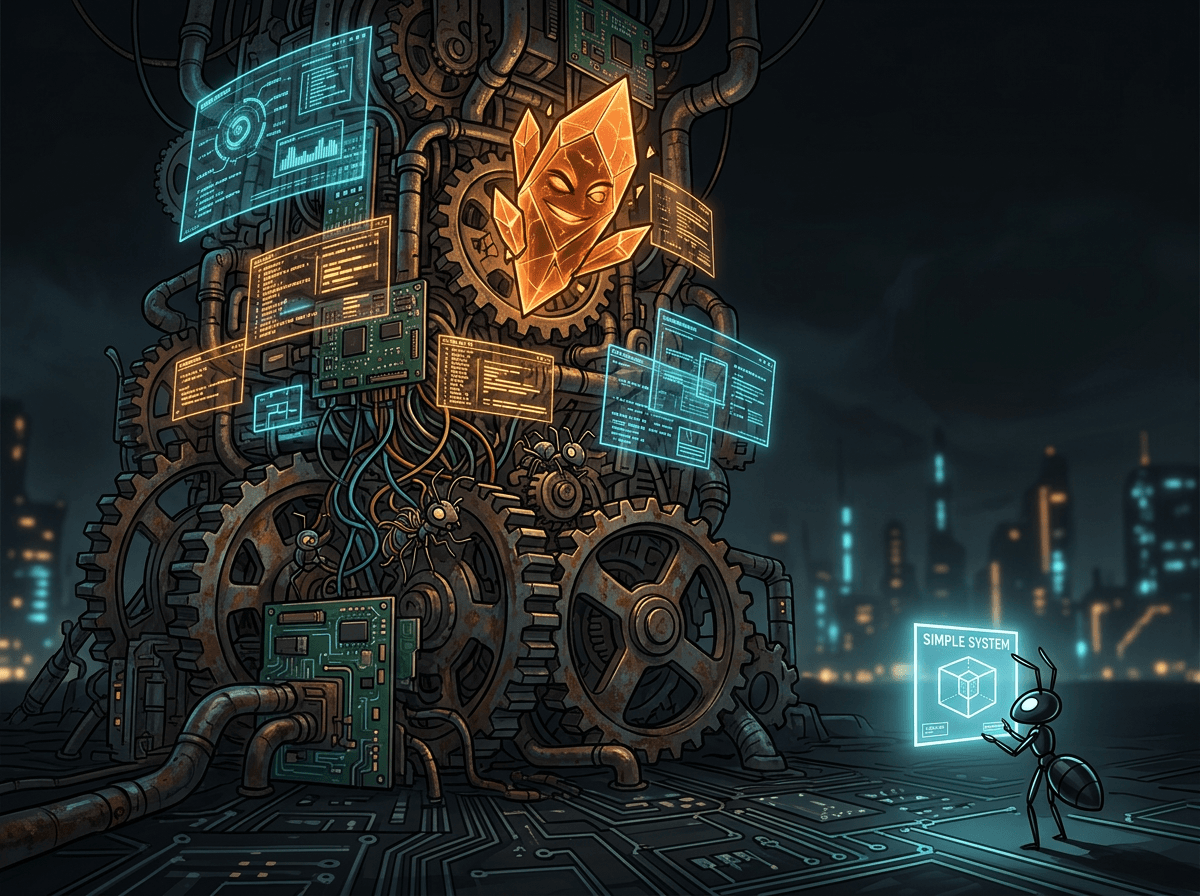
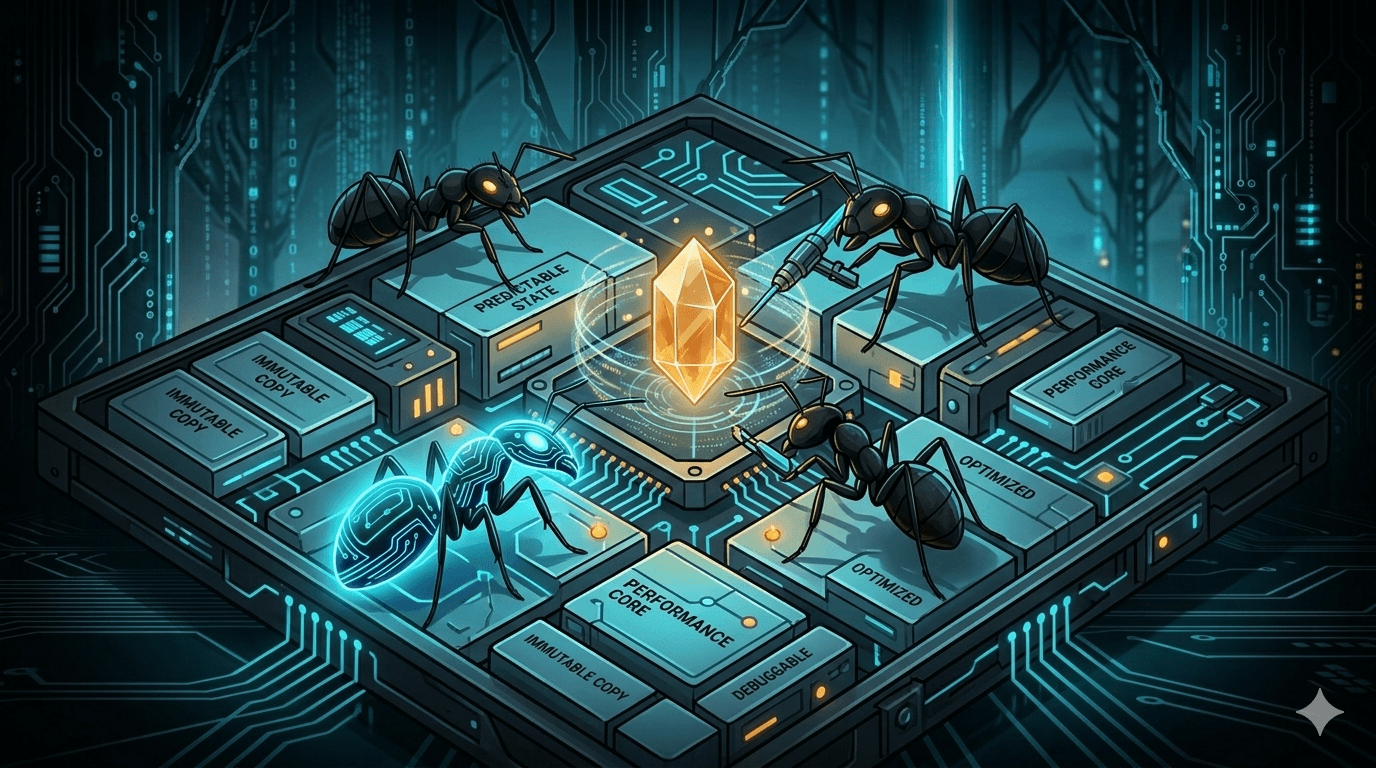
Trying out the newest framework in software can be fun. But in production systems, we crave predictability, not excitement. Let's explore the "Boring Technology" principle and how choosing proven tools preserves the colony's energy.
Trying out new technologies and experiencing the "new toy" excitement in code is fun. However, the "Lazy Ant" philosophy prioritizes preserving the colony's energy (time and budget). In production systems, what we are looking for is not excitement, but predictability and stability.
This is where the "Boring Technology" principle comes in. This principle, in short, dictates:
Do not seek unnecessary adventure. Prefer proven, mature, and boring tools.
"Boring" technology does not mean bad technology. On the contrary, it works so well and produces so few surprises that no one talks about it. Choosing proven tools preserves the colony's energy in these ways:
🐜 Mature Documentation: Answers are easy to find when you get stuck.
🐜 Large Community: Bugs are already discovered, and solutions have found their place on Stack Overflow.
🐜 Known Unknowns: You know the limits, weak points, and where that tool will fail.
Sometimes the most correct choice is not the newest framework or the most popular library, but the tool your team knows best and trusts.
The "Boring Technology" principle does not mean "let's never innovate." It is strategic Innovation Budget management. When building a system, ask this critical question:
Will this new technology increase the team's velocity, or will it add complexity and risk?
Trying a new technology in an area that will truly make a difference and form the heart of the business is a strategy. But trying to use "the newest" for everything will bring the colony to the point of exhaustion. Save the energy for the area that truly requires innovation.
Good systems are usually not exciting; they are boring. Just like an ant colony; they work silently, efficiently, and with the same predictability every day. Mastery in engineering is not building the most complex or newest system, but building the system that produces the fewest surprises.