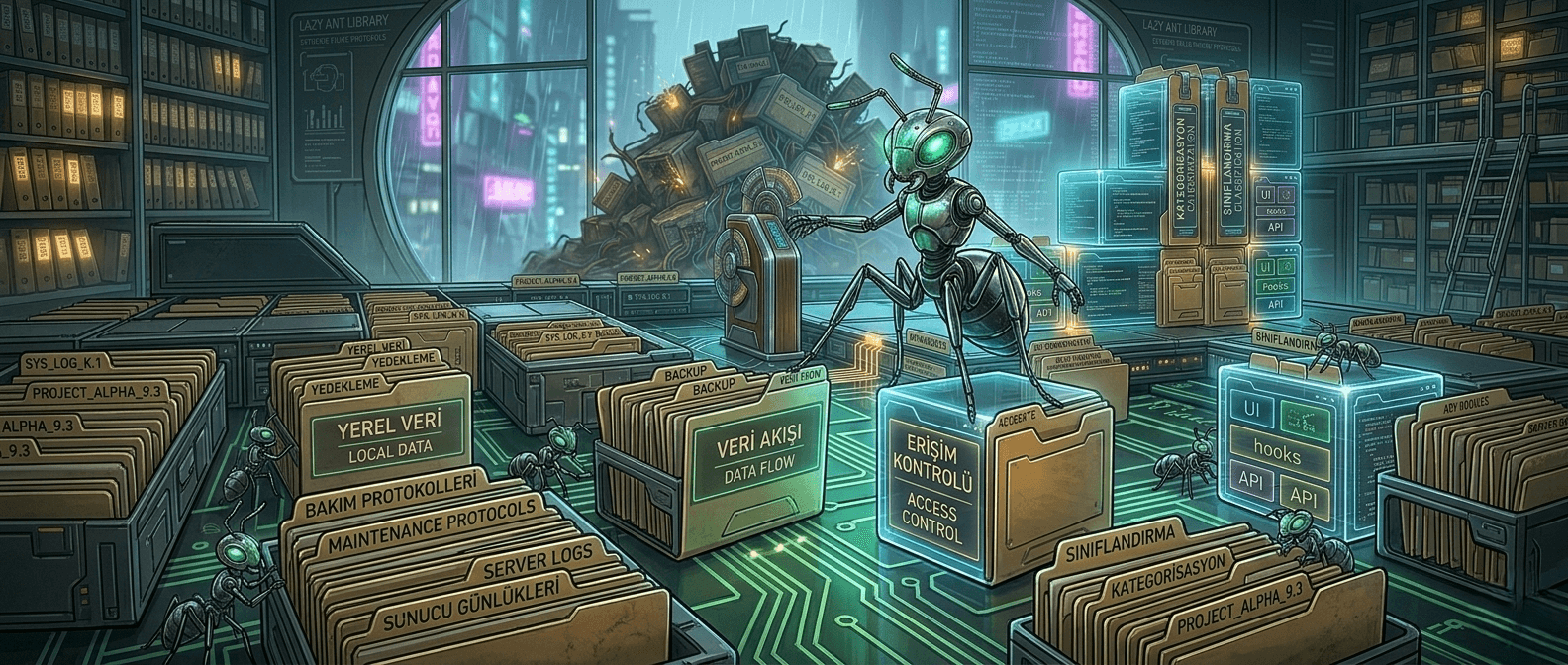
Folder structure in frontend projects often seems like a minor detail. But as the project grows, it becomes one of the most critical aspects. A good structure improves readability, team speed, and maintainability, while a bad one creates chaos over time. This article explores the long-term impact and practical approaches.
When starting a frontend project, folder structure is usually not a priority. Developers often create a simple structure like components, pages, and utils, and start building. In the beginning, everything feels clean and manageable. Files are easy to find, and the team is small enough to understand the layout.
The problem doesn’t start here.
It starts when the project grows.
As features increase, components multiply, and the team expands, the initial structure begins to struggle. Dozens of files accumulate in the same folders, naming becomes inconsistent, and finding things takes longer. The code still works, but development slows down.
This is not just a technical problem.
It’s an organizational one.
Folder structure is not just about grouping files. It reflects how you think about your system. The way code is organized directly mirrors how the system is designed.
Consider a type-based structure:
It looks simple at first. But over time, related pieces of a single feature get scattered across different folders. A single change may require navigating through multiple directories, increasing context switching.
To solve this, many teams move to a feature-based structure:
Now everything related to a feature lives together. This significantly improves readability and developer experience in large projects.
However, this is not a silver bullet. Without discipline, feature folders can become mini monoliths.
One common mistake is trying to design the “perfect” structure from day one.
In reality, structure should evolve with the project. Over-engineering early creates unnecessary complexity. On the other hand, ignoring structure leads to expensive refactoring later.
Where you place a component
How you organize hooks
How you scope utilities
These decisions may seem small, but they accumulate over time and define maintainability.
For example, putting non-reusable components into a global components folder may seem easy at first, but eventually pollutes the folder and hides truly reusable parts.
A good structure is:
Easy to navigate
Easy to refactor
Isolated
Scalable
And most importantly, understandable by the team.
Imagine you need to update the cart feature.
In a type-based structure, you navigate through multiple folders.
In a feature-based structure, you go directly into the cart folder and work within a single context.
This small difference, repeated many times a day, creates a significant productivity gap.
Folder structure is not a minor detail. It directly impacts development speed, team efficiency, and code quality.
There is no single perfect structure. But bad structures share one thing: they slow you down as the project grows.
Good engineering means shaping the structure based on real needs, avoiding unnecessary complexity, and keeping the system sustainable.
Because in the end, it’s not just about writing code — it’s about building the environment where that code lives.